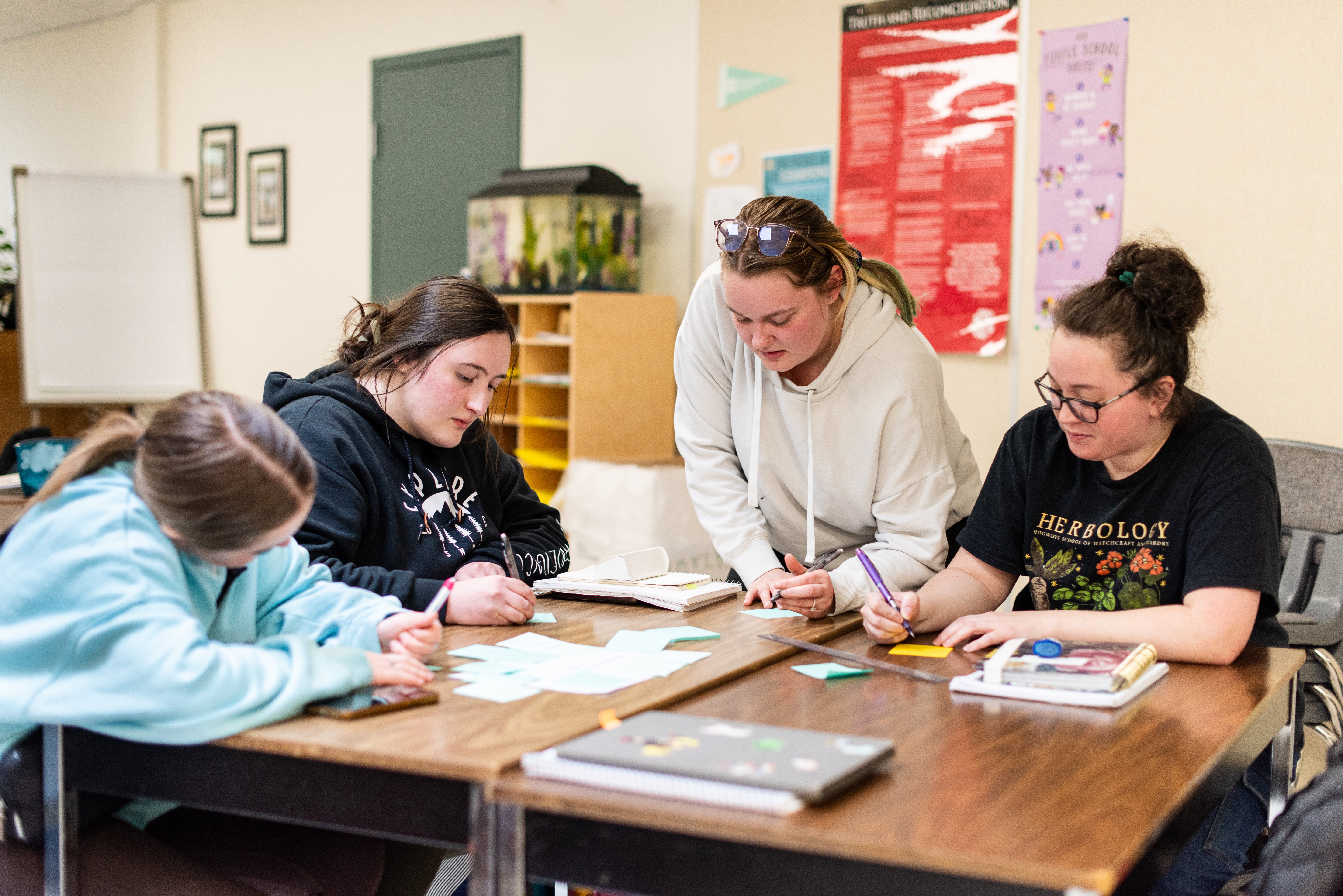
Peer learning fosters an enriching environment where faculty collaborate, share knowledge, and grow professionally. Through dynamic discussions and collaborative initiatives, faculty reflect on their practices, exchange ideas, and enhance teaching and learning. Peer learning enables faculty to explore new strategies, showcase innovations, and tackle challenges together, creating spaces for sharing resources, research, and best practices while promoting a supportive, inclusive community of continuous improvement. 

Collaborative development activities like peer observations, mentorship, and teaching circles offer faculty opportunities for personalized feedback, guidance, and hands-on learning, advancing their professional growth. By working together and learning from one another, faculty refine their teaching practices, experiment with new approaches, and build meaningful connections. This culture of collaboration ultimately strengthens teaching effectiveness and enriches the learning experience for both educators and students. 


Communities of Practice 

Communities of Practice (CoPs) provide faculty with a collaborative space to work towards shared teaching goals, exchange knowledge, and engage in reflective practice. These groups foster a supportive environment where faculty can learn from one another, strengthen teaching strategies, and grow professionally through ongoing dialogue and mentorship.

Communities of Practice (CoPs) provide a platform for faculty to collaborate on shared teaching goals, explore challenges together, and work towards continuous improvement in their practice. These groups facilitate ongoing dialogue and knowledge sharing, which enhances teaching effectiveness.

CoPs encourage members to share strategies, resources, and insights from their own experiences. This exchange of ideas fosters reflective practice, helping members identify areas for growth and implement new approaches to meet diverse student needs.

Being part of a CoP creates a supportive network of colleagues who are invested in each other’s success. Faculty can find mentoring, feedback, and emotional support within these groups, creating a sense of community and belonging that strengthens professional growth.

Faculty Sharing Sessions 

Faculty Sharing Sessions provide a collaborative space for faculty to exchange ideas, showcase innovations, and engage in professional development. These sessions encourage peer-led discussions on teaching strategies, research, and classroom challenges, fostering a supportive community where faculty can learn from each other and enhance their practice.

Teaching Innovations & Strategies highlights new pedagogical practices and classroom innovations. Faculty can share educational projects, lead workshops, and demonstrate student-centred strategies to engage learners, improve outcomes, and experiment with novel approaches to teaching.

Professional Growth & Research sessions allow faculty to reflect on their development, share research insights, and explore how academic work informs teaching. Topics may include cross-disciplinary learning, research-driven pedagogy, and the integration of scholarly work with teaching practices.

These sessions create a space for faculty to openly discuss teaching challenges, share best practices, and engage in collaborative problem-solving. Faculty can benefit from brainstorming solutions together, hearing from external guest speakers, and learning from diverse experiences, building a supportive community of educators focused on collective growth.

Collaborative Development 

Collaborative Development fosters a culture of continuous improvement by engaging faculty in peer observations, mentorship, and teaching circles. These initiatives encourage the sharing of best practices, offer constructive feedback, and provide ongoing support. By working together, faculty strengthen their teaching practices and build a supportive, collaborative teaching community.

Peer observations are designed to provide faculty with constructive, actionable feedback from colleagues. By observing each other’s teaching, faculty can identify strengths, areas for improvement, and gain new perspectives on effective teaching strategies.

Faculty mentoring connects experienced instructors with newer faculty to offer guidance, support, and advice. These relationships help new faculty build confidence, navigate challenges, and develop their teaching practices with ongoing support.

Small, collaborative groups of faculty who meet regularly to discuss specific teaching challenges, share best practices, and experiment with new strategies. These circles foster a supportive community where faculty can learn from each other’s experiences, and are typically focused on inquiry-based learning, pedagogy improvement, and mutual mentorship.

Next Steps

Dig Deeper

Browse the Peer Learning Resources folder in SharePoint for detailed guides, research, and structured tools, including project charters for CoPs, feedback templates for peer observations, mentoring conversation frameworks, and coaching guides to support collaboration and professional growth.

Request Help

Need tailored support? Schedule a one-on-one consultation with a CTL member to discuss your teaching practice and receive personalized advice.